November 2, 2026
Storms can change the condition of a yard in minutes. High winds, heavy rain, and lightning may break branches, loosen roots, and leave trees leaning toward homes, fences, or walkways. Even when a property appears relatively undamaged, weakened limbs can remain suspended overhead, and saturated soil can reduce the stability of otherwise healthy trees. Cleaning up these hazards requires more than collecting fallen leaves and debris. Homeowners need to recognize which problems can be handled safely and which require professional equipment and experience. Reliable tree services help identify storm-related damage, remove dangerous material, and support landscape recovery.
Inspecting Trees for Hidden Storm Damage
A post-storm inspection begins with observing the property from a safe distance. Broken branches, split trunks, newly exposed roots, and trees that have shifted position are obvious warning signs. Other concerns can be harder to recognize, including cracks where major limbs join the trunk or branches caught high in the canopy. Homeowners should avoid walking beneath damaged trees or attempting to shake loose hanging limbs. A visual assessment from a protected location can help identify areas needing immediate attention.
Professionals performing tree services can examine damaged trees more closely and distinguish cosmetic injury from structural concerns. They may assess branch attachments, trunk defects, root movement, and the tree's proximity to occupied areas. An inspection also helps establish priorities when several trees have been affected. Rather than assuming every damaged tree must be removed, a qualified professional can explain whether pruning, monitoring, or removal is appropriate.
Removing Hanging and Broken Branches
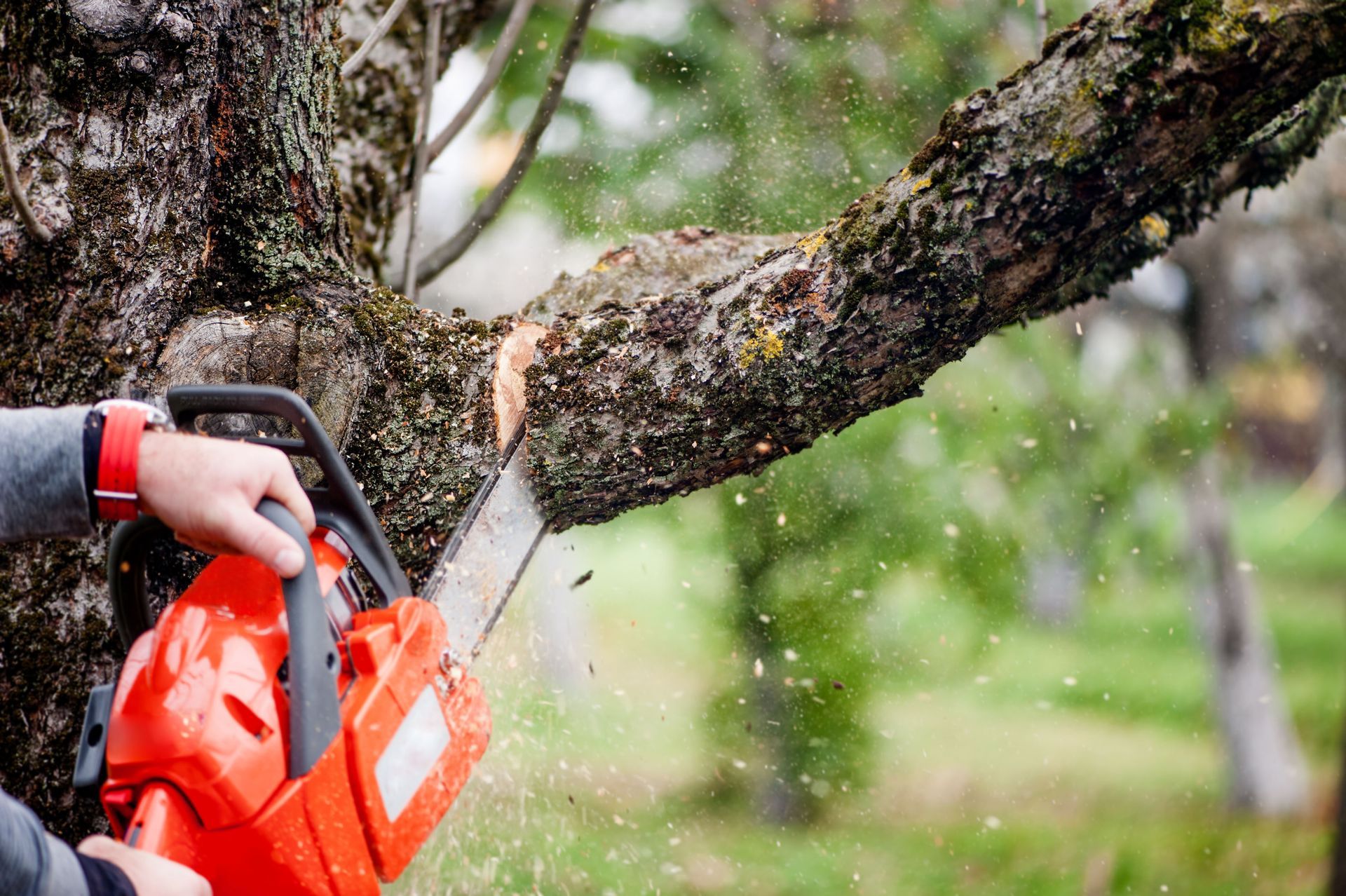
Branches that break during a storm do not always fall completely to the ground. Some become lodged against neighboring limbs or remain attached by strips of wood. These hanging branches can fall unexpectedly, especially during subsequent winds. Their position above patios, driveways, and paths makes them particularly concerning. Homeowners should keep people and pets away from these areas and avoid using ladders or handheld tools to reach suspended material.
Professional crews use controlled cutting methods and appropriate equipment to bring damaged branches down without creating additional hazards. The safest approach depends on branch size, height, tension, and nearby obstacles. Work may involve climbing systems, aerial equipment, or carefully planned lowering techniques. Removing suspended branches restores access to affected areas and reduces the chance that debris will fall while family members are using the yard.
Addressing Leaning Trees and Unstable Roots
A tree that begins leaning after a storm deserves prompt evaluation, particularly when soil has lifted around its base. Heavy rainfall can saturate the ground, while wind forces may disturb the root system that anchors the trunk. A new lean differs from the longstanding growth pattern of a tree that has naturally developed at an angle. Fresh soil cracks, exposed roots, and movement near the base can indicate a stability problem.
Tree services may include evaluating whether a leaning tree can remain safely in place or needs removal. The decision depends on root damage, tree size, species, soil conditions, and what could be struck if it falls. Bracing or staking is not a universal solution, especially for mature trees with substantial root failure. Keeping the surrounding area clear until a professional assessment is completed helps reduce exposure to an unstable tree.
Pruning Damaged Limbs to Support Recovery
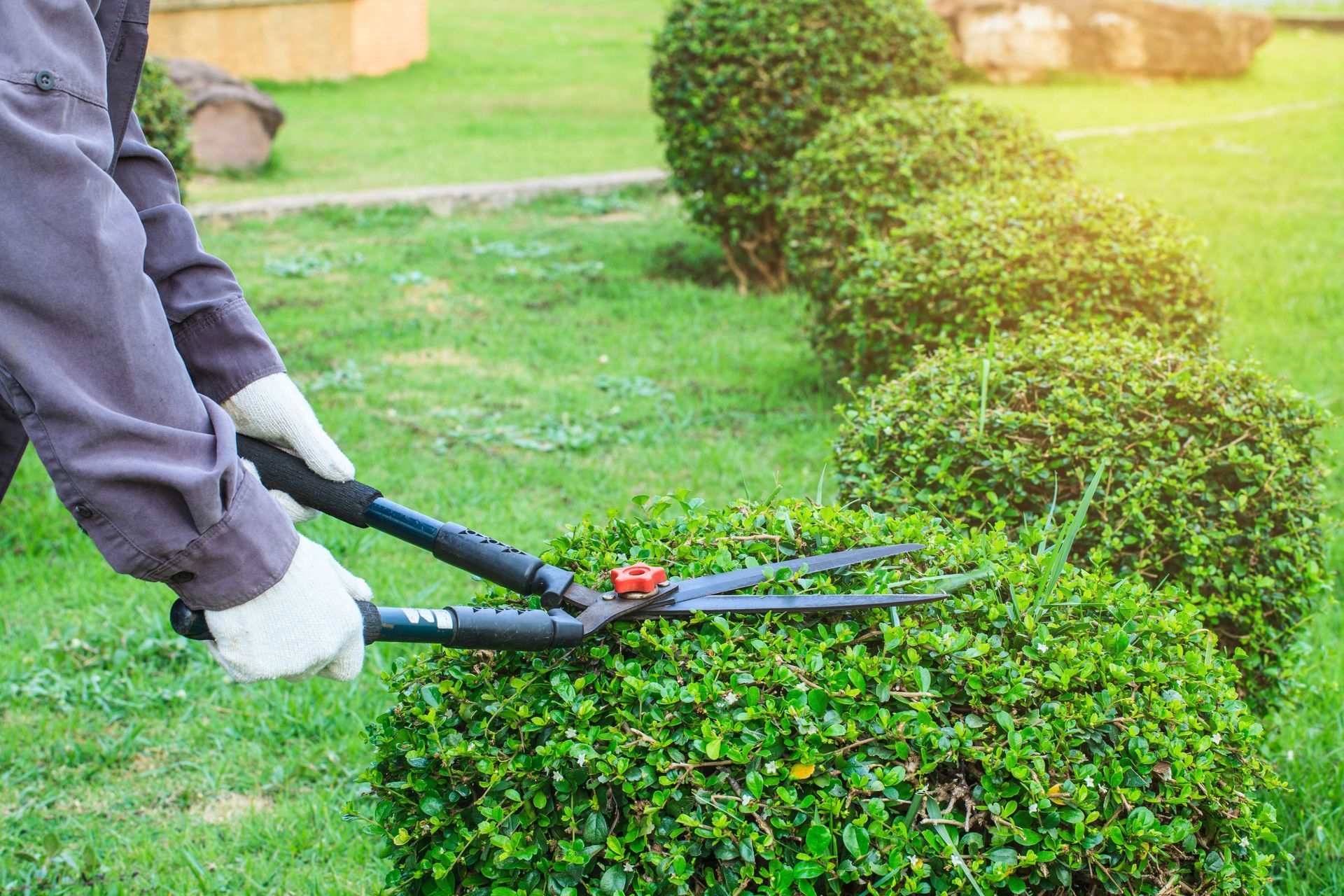
Storm damage can leave trees with torn branch ends and uneven crowns. Appropriate pruning removes compromised limbs and helps prevent further tearing at damaged attachment points. It can also improve clearance around roofs, fences, and frequently used outdoor spaces. However, removing too much living foliage can place additional stress on a recovering tree. Pruning decisions should account for the tree's health and the severity of the damage.
Experienced crews select cuts that respect branch structure rather than leaving long stubs or cutting indiscriminately into the canopy. Some trees need only limited corrective work, while others require a staged approach over time. Proper pruning does not guarantee that future storms will cause no damage, but it can address existing defects and support healthier growth. Homeowners should ask which branches are being removed and why.
Removing Trees That Cannot Be Saved
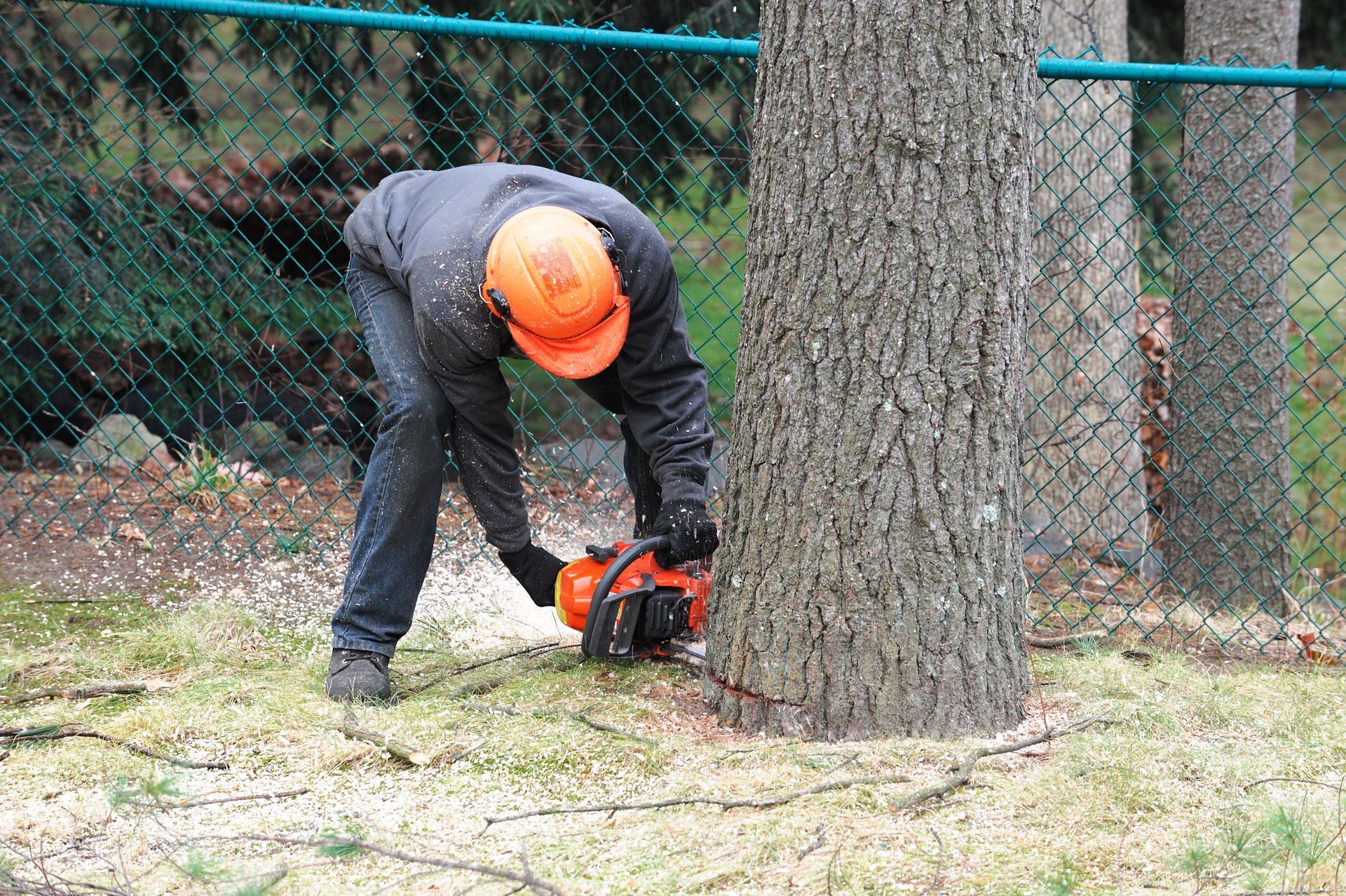
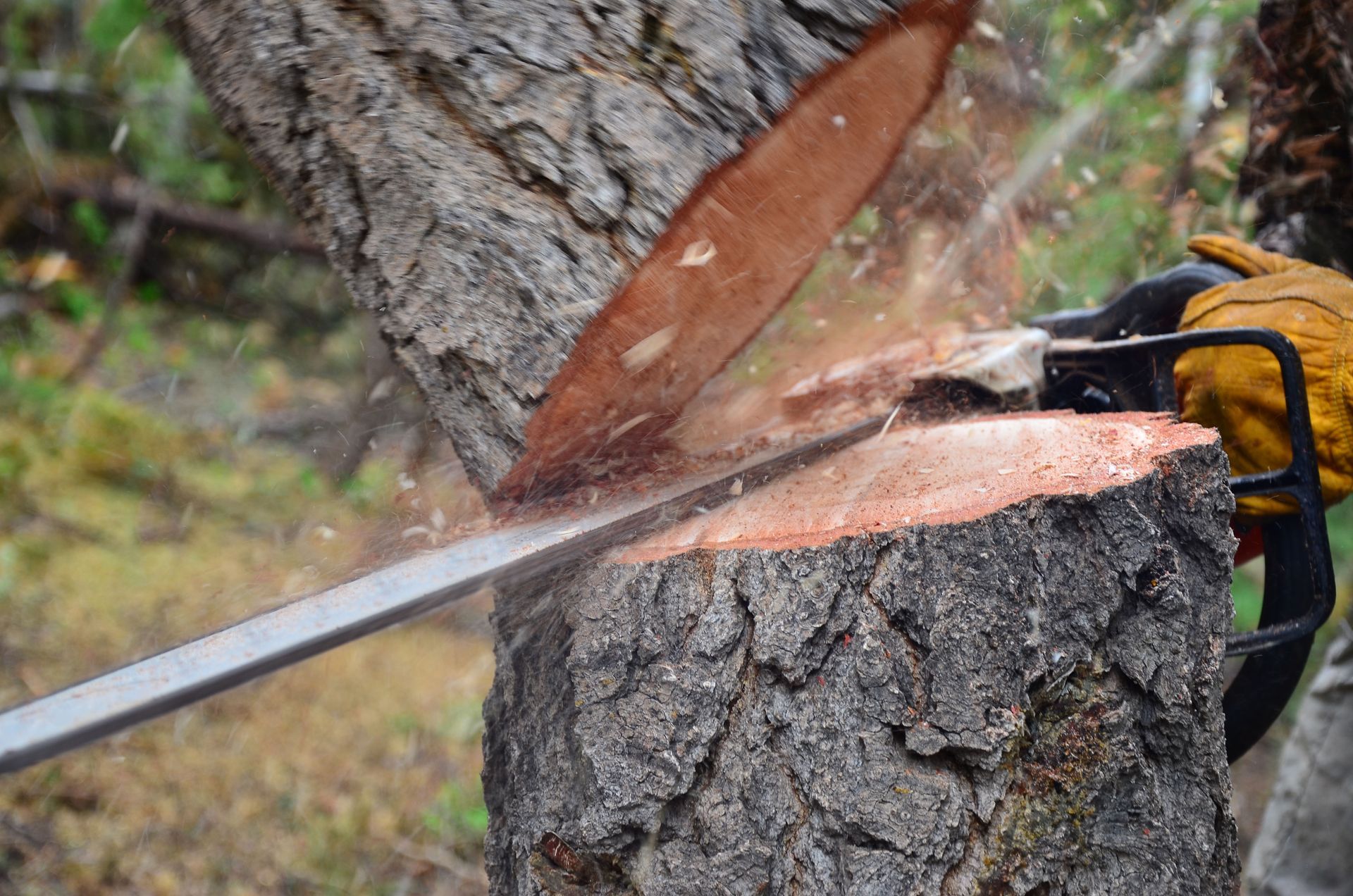
Some storm-damaged trees have extensive trunk fractures, severe root failure, or other defects that make continued retention unsafe. When the risk cannot be reduced adequately through pruning or other measures, removal may be necessary. This work becomes more complicated when a tree is close to a home, garage, utility line, or neighboring property. Cutting a compromised trunk without understanding its weight and tension can cause unpredictable movement.
Professional tree services involve planning how sections will be dismantled and where material can safely land. According to TCI Magazine, clearly marking designated drop zones and keeping crew members and bystanders at a distance of at least twice the height of the section being cut can help reduce the risk of injuries from falling branches or trunk sections. Site-specific conditions may require additional controls, rigging, or coordination with utility providers. Homeowners should never approach an area where active cutting is underway.
Clearing Fallen Trees and Storm Debris
Once immediate overhead hazards are addressed, fallen trunks, branches, and scattered debris may still prevent normal use of the yard. Large sections of wood can block gates, damage landscaping, or obstruct access for vehicles and emergency responders. Debris piles may also conceal sharp fragments, unstable logs, or damaged fencing. Before beginning cleanup, homeowners should check for downed power lines and keep clear of anything that could be energized.
Crews providing tree services can cut and move large material using equipment suited to its weight and location. Cleanup may include chipping branches, hauling logs, and collecting smaller woody debris. The exact scope should be discussed beforehand because stump removal, hauling, and landscape repairs may be separate services. Organized debris removal helps restore access while reducing the temptation for homeowners to handle heavy, unstable material themselves.
Protecting Structures and Utility Areas
Storm-damaged trees can create risks beyond the area directly beneath their branches. A cracked limb may extend over roofing, a leaning trunk may threaten a fence, and broken branches can interfere with service lines. Damage near electrical infrastructure requires special caution. Homeowners should treat all downed or contacted wires as energized and contact the utility provider or emergency services rather than attempting to move branches themselves.
After utility hazards have been addressed by authorized personnel, tree professionals can evaluate safe options for removing remaining material. They may also recommend pruning to improve clearance around structures, provided the work is consistent with tree health and applicable requirements. Tree services near buildings require attention to access, equipment placement, and falling debris. Clear communication about property boundaries and vulnerable features helps crews plan their work.
Planning Preventive Care Before the Next Storm
Recovery is also an opportunity to evaluate trees that survived the storm but may need attention. Dead branches, crowded attachments, decay, and soil changes can affect how trees respond to future weather. Regular assessments can identify some concerns before they become urgent. Homeowners can also review drainage conditions, protect exposed roots from unnecessary disturbance, and avoid storing heavy materials against tree trunks.
Preventive work should be based on observed conditions rather than a promise that any tree can be made stormproof. Qualified professionals may recommend selective pruning, monitoring, or additional assessment for trees with suspected defects. Maintaining records of past damage and completed work can make future decisions easier. A practical maintenance plan supports the yard's appearance while helping homeowners recognize changes that warrant another inspection.
Storm recovery involves more than removing visible branches from the lawn. Hanging limbs, unstable roots, damaged trunks, and debris near structures can continue creating hazards after the weather clears. Careful inspections, appropriate pruning, controlled removals, and organized cleanup help homeowners address these concerns without taking unnecessary risks. It is equally important to respect electrical hazards, keep people away from active work areas, and consider the long-term condition of surviving trees. Professional tree services can provide guidance on immediate priorities and preventive care suited to the property. If your yard has experienced storm damage or you want help preparing your trees for future weather, contact Any Cut Tree Service today.