November 12, 2026
Understanding when to call an expert is critical for maintaining the health and safety of your outdoor living spaces. Large, mature trees add significant beauty, shade, and overall financial value to your residential lot, but they also bring substantial physical responsibilities. Many property owners mistakenly wait until a major emergency unfolds before reaching out to skilled arborists. Learning to identify subtle warnings early can easily protect your lawn, your family home, and your wallet from avoidable, costly damage. By taking timely action today, you can safeguard your family, reduce potential hazards, and keep your entire natural environment growing robustly for decades to come.
Deciding to partner with a reputable tree company provides you with immediate access to specialized equipment, comprehensive safety protocols, and certified botanical training. Regular property evaluations help detect underlying root problems, hidden fungal infections, and hazardous structural imbalances before they trigger sudden failures. Caring for your yard should never feel like an overwhelming guessing game where you risk significant injury trying to use dangerous power equipment yourself. Certified professionals take the stress out of overall property upkeep by handling complex projects smoothly. Knowing the exact situations that call for professional help gives you full confidence, ensuring that your home environment remains safe, sound, and stunning through every season.
Spotting Sickness and Fungal Growth
Recognizing early signs of sickness in your yard is essential for protecting the overall longevity of your landscape. One obvious warning is strange leaf discoloration, such as leaves turning yellow, speckled brown, or deep purple during the middle of the active summer growing season. These sudden shifts often point directly to acute soil deficiencies, hidden pest colonies, or aggressive vascular diseases spreading beneath the outer bark layer. When you notice these irregular patterns, booking an evaluation with a trusted tree company ensures that you get an accurate diagnosis along with targeted treatment solutions. Treating a problem early halts rapid disease transmission and stops nearby plants from catching the same damaging sickness.
Fungal blooms appearing directly on trunks, root flares, or thick branches represent another urgent warning sign that demands skilled attention. Fungi like conks, powdery mildew, and dark sooty molds show that the natural defenses of the plant are severely failing under environmental strain. These growths often signal deep inner wood decay, waterlogged root zones, or hidden rot that can compromise physical support over time. Qualified specialists possess the diagnostic tools needed to locate internal decay zones quickly without causing harm to healthy tissues. Taking immediate action against persistent mold colonies eliminates ongoing decay, restores natural vitality, and keeps small fungal blooms from permanently destroying your prized yard greenery.
Evaluating Leaning Trunks and Fall Hazards
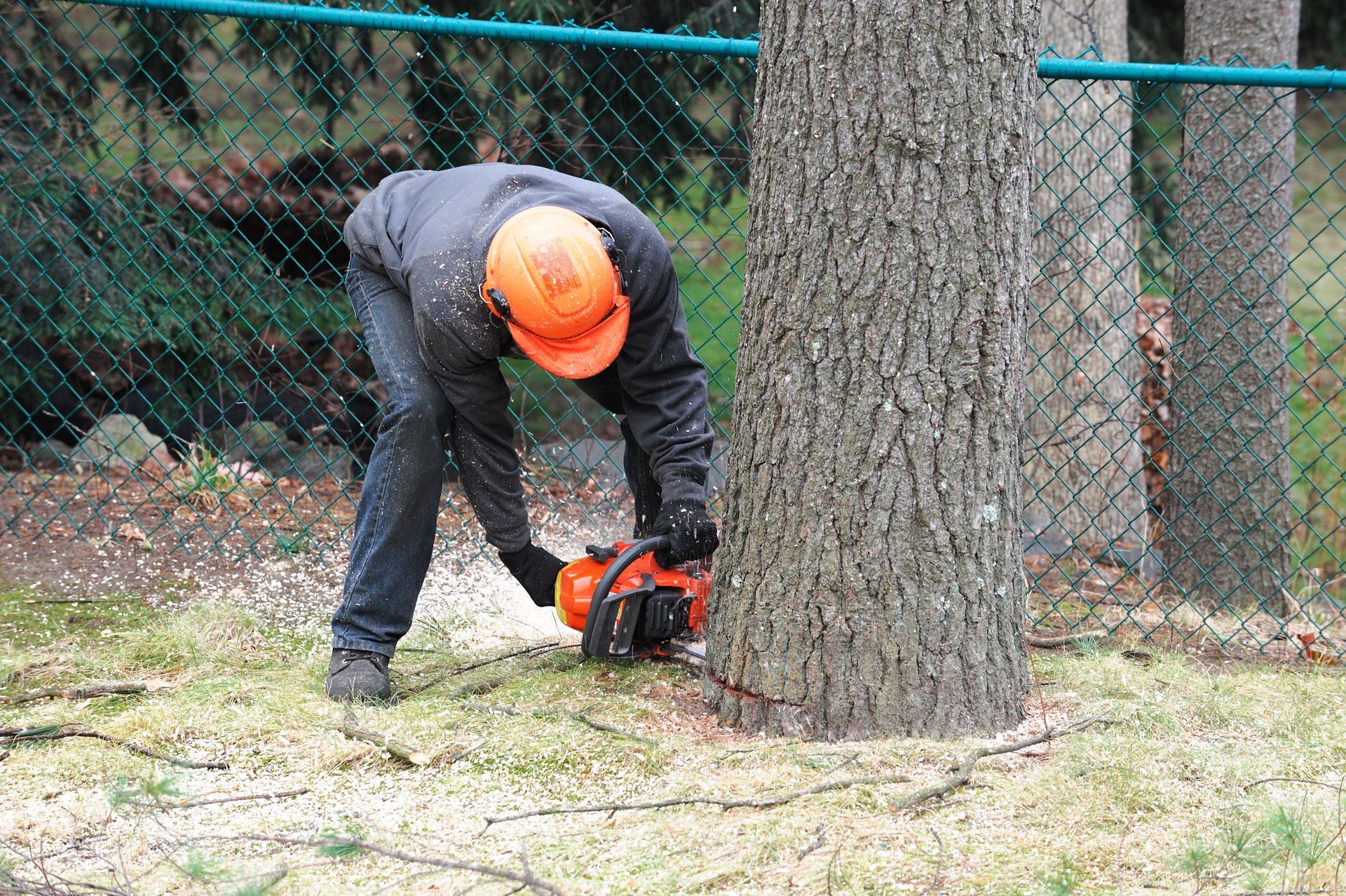
Monitoring physical stability is a necessary part of outdoor home ownership, particularly when large trunks begin showing abnormal ground movement. A tree that visibly leans more than fifteen degrees from its natural vertical alignment presents an immediate, dangerous collapse hazard. Sudden leaning frequently stems from severed root systems, severe grade erosion, or unaddressed wind stresses that have ruptured underground support anchors. Certified arborists can quickly test root stability to determine if targeted cabling, deep structural bracing, or total removal provides the safest solution. Acting without delay prevents sudden structural failure, saving your family from terrifying accidents, extensive home repairs, or dangerous utility disruptions.
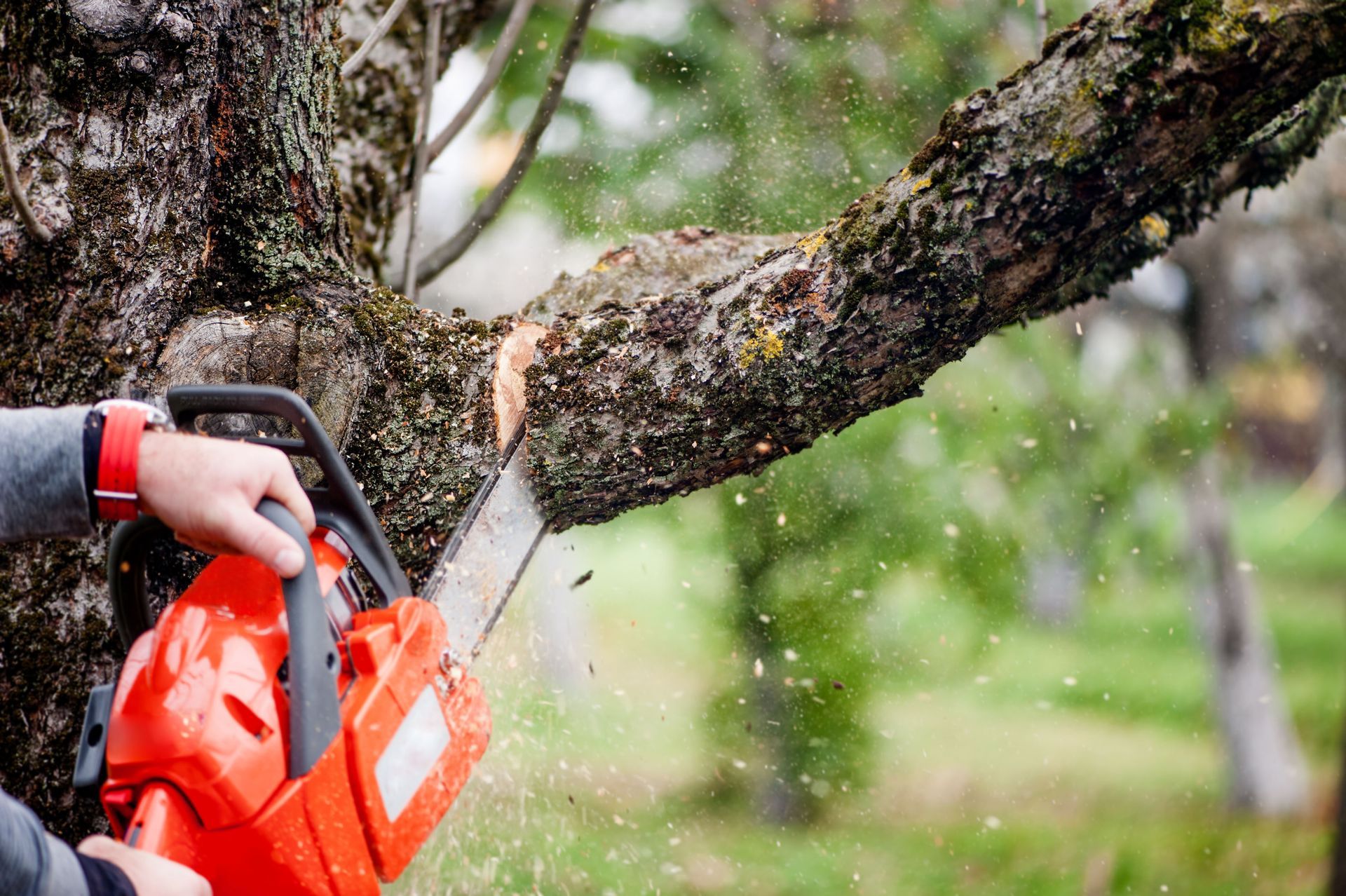
Heavy overhead branches that hang directly across roofs, driveways, or sidewalks represent severe hazards that no homeowner should ignore. Even apparently solid tree limbs can snap without notice during sudden summer thunderstorms, cold winter snaps, or high sustained wind events. According to the National Storm Damage Center, falling trees and branches cause an estimated $1 billion a year in property damage. Trimming back these massive limbs requires bucket trucks, industrial rigging lines, and specialized safety gear that only trained crews can safely operate.
Clearing Broken Branches and Storm Damage
Severe weather events often strike without warning, leaving behind extensive yard debris and dangerous cracked wood across entire neighborhoods. High winds, heavy snow loads, and torrential rains routinely tear through tree canopies, snapping massive boughs and leaving hanging wood suspended precariously high in the air. These dangling limbs can fall at any moment without warning, presenting critical safety dangers to anyone walking underneath. Bringing in a licensed tree company right after an intense storm guarantees rapid, safe limb clearing while keeping workers safe from live power lines. Expert crews quickly clean up dangerous fallen debris, assess lingering weaknesses, and restore calm to your disrupted yard.
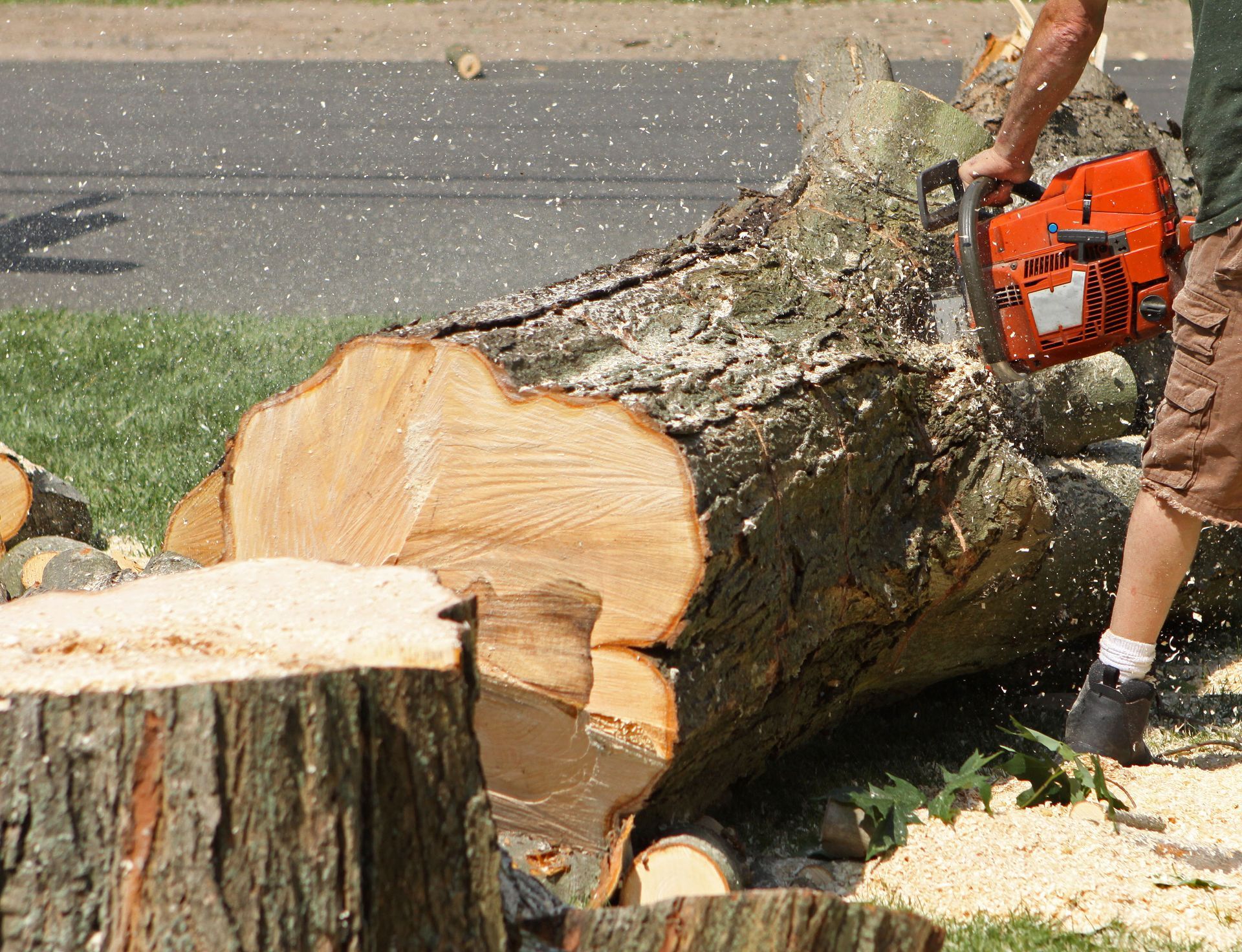
Violent storms can also uproot large root systems completely, creating sudden emergency situations that threaten building foundations, plumbing pipes, and concrete sidewalks. Partially uprooted trunks remain highly unstable, shifting under their own massive weight and creating severe, unpredictable ground pressure. Attempting to chop up a fallen or hanging tree yourself with an ordinary household chainsaw can lead to catastrophic kickbacks and severe injuries. Professional tree teams rely on balanced winches, heavy machinery, and years of hands-on field experience to dismantle fallen giants piece by piece safely.
Shaping Overgrown Branches and Crowded Canopies
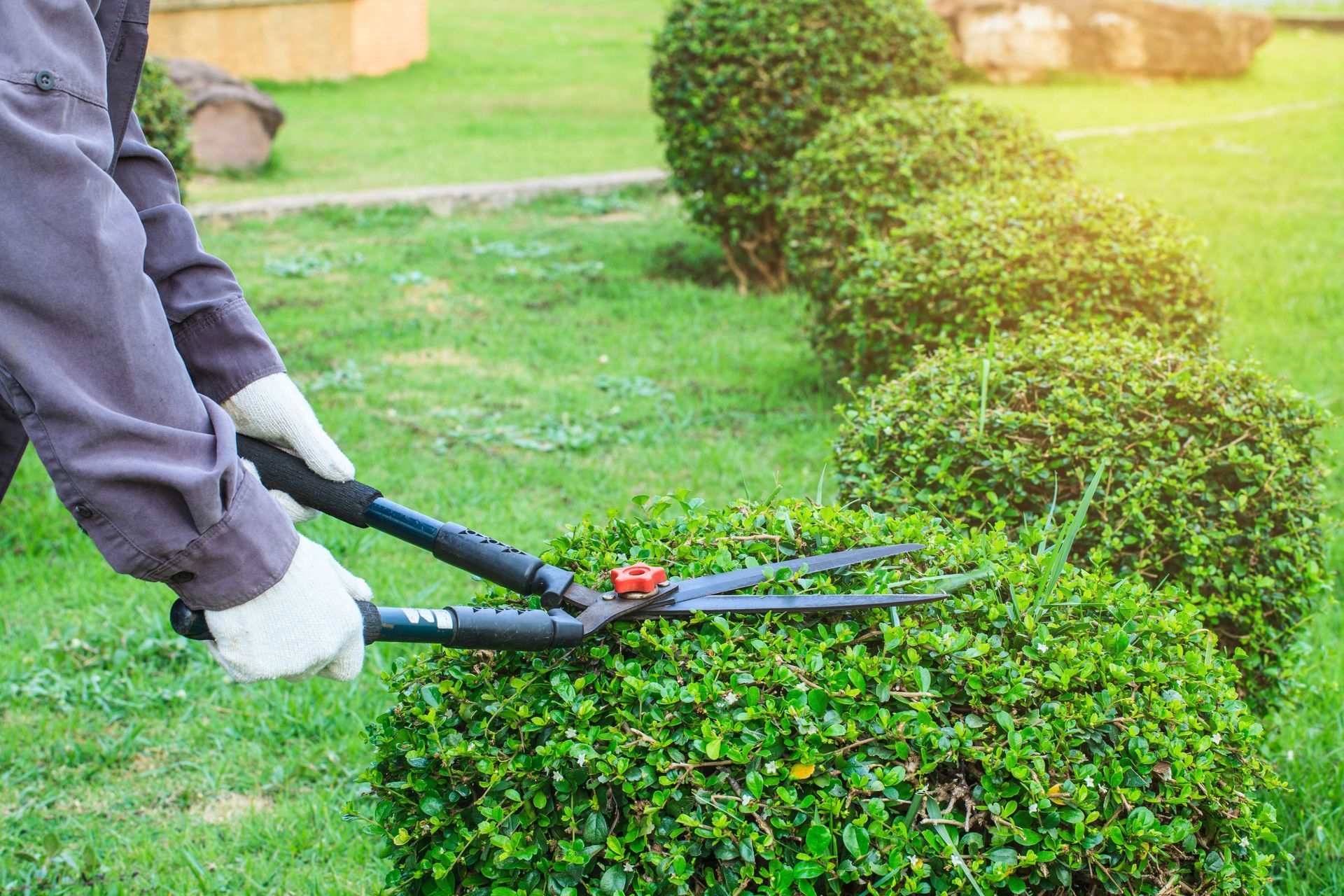
Consistent, targeted pruning is a vital element of basic landscape care that supports steady, attractive growth year after year. Removing diseased limbs, crossing branches, and crowded stems improves airflow throughout the central canopy and allows valuable sunlight to filter all the way to ground level. Proper thinning significantly lowers the risk of future pest infestations by drying out the inner leaf structure where dampness loves to linger. Highly experienced tree company teams possess the specific pruning knowledge needed to make precise cuts without creating jagged wounds that attract boring insects. Regular pruning also reduces overall wind resistance, which helps large, dense canopies survive heavy seasonal storms without snapping.
Trimming out low suckers, competing water sprouts, and dead interior wood prevents these useless offshoots from stealing essential moisture from healthy main branches. Left unchecked, aggressive sucker shoots quickly sap core nutrition, leaving the primary canopy thin, pale, and structurally weak over successive seasons. Pruning specialists know precisely when and where to prune various local species, ensuring that flowering varieties produce brilliant seasonal blooms and fruit-bearing trees yield abundant harvests. Thoughtful canopy management also preserves clear sightlines across your property, prevents limbs from rubbing against roof gutters, and creates a polished, balanced look that immediately elevates curb appeal.
Planting Young Saplings and Feeding Soil
Selecting the best species to plant on your residential grounds is an exciting decision that shapes your overall landscape for decades to come. Tree care professionals offer invaluable help by matching specific tree varieties to your regional climate, existing soil pH, and yard drainage conditions. They consider the ultimate mature height and width of the tree, ensuring you avoid planting a massive oak directly beneath overhead telephone wires or right beside underground drainage lines. Thoughtful guidance helps you plant hardy, shade-giving trees that flourish naturally without demanding constant chemical treatments. Expert selection saves you substantial time and money while ensuring your landscape investment grows harmoniously.
Giving young saplings the best start requires proper ground preparation, balanced fertilization, and ongoing professional care to build resilient root networks. Arborists inspect soil density, add rich organic compost to compacted dirt, and provide deep-root liquid feeding to stimulate fast cellular growth. They also design tailored watering, staking, and mulching plans that protect thin bark from harsh sun scald, mower impacts, and common weed-eater damage. Partnering with a skilled tree company during the initial planting phase gives your young saplings the strongest defense against pests, seasonal droughts, and high winds, ensuring that every tree matures into a sturdy, magnificent centerpiece for your outdoor yard.
Whenever you spot concerning changes in your trees or need help managing your regular landscape maintenance, call Any Cut Tree Service. Our dedicated crew of trained, friendly specialists provides comprehensive health assessments, rapid storm cleanup, safe tree removal, and expert pruning to protect your property. Do not wait for broken branches to damage your roof or endanger your family during the next severe weather event. Reach out to our dependable, licensed tree company team today to schedule your complete property evaluation and let our passionate arborists help you keep your trees standing tall, safe, and beautiful for years to come.